Industrial Construction on Active Jobsites: The OCI Expansion
Industrial construction on active jobsites often takes place inside facilities that are already operating at full capacity, where production, logistics, and plant operations must continue without interruption.
The expansion of the OCI Peroxygens facility in Decatur, Alabama offers a clear example of how that process works and why careful coordination is critical to success.
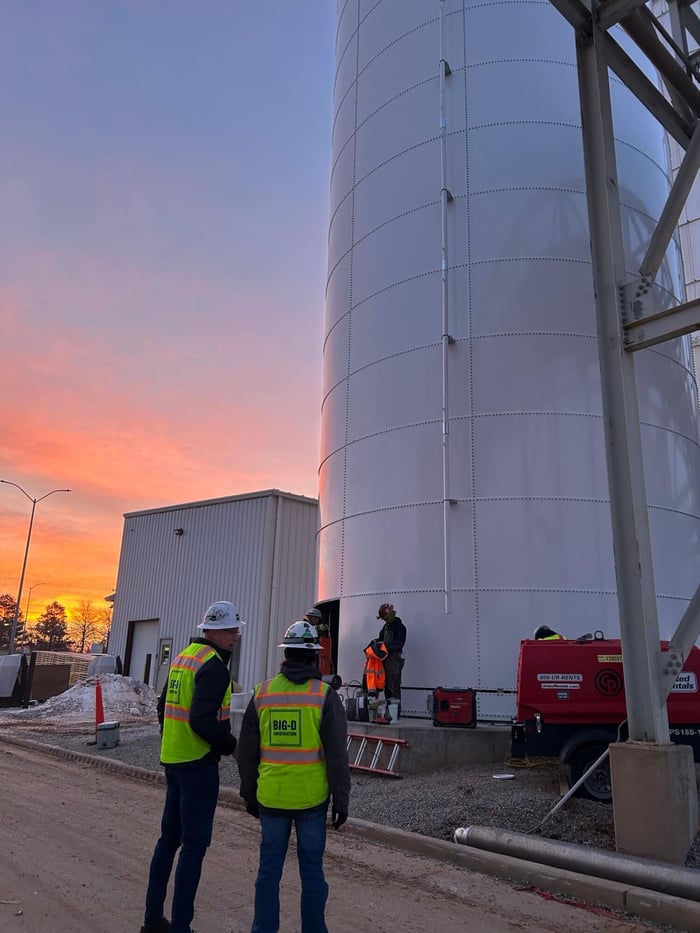
The Reality of Industrial Construction on Active Jobsites
Industrial construction on active jobsites introduces an additional layer of activity into an already complex environment, requiring crews, equipment, and deliveries to operate alongside active plant systems.
Big-D Heavy Industrial Senior Vice President David Zimmerman says this type of coordination is fundamental to industrial construction.
“We typically work in facilities that have live and existing operations,” Zimmerman said. “We have to manage around those operations to avoid any interruption of the client’s production.”
Coordination Is the Foundation
One of the most important factors in successful active site construction is coordination between the contractor and the facility operator.
Successful active site construction depends on early coordination between contractors and facility operators, aligning construction activities with production schedules and site logistics. At Big-D, this process starts early through collaboration with the owner, engineers, and operations teams. Together, the project team identifies potential risks, develops sequencing plans, and determines how construction activities can occur alongside ongoing operations.
“The key is having an integrated team approach that works closely with the client to understand their production needs,” Zimmerman said. “It’s about understanding how the facility operates and working together to overcome obstacles.”
When construction teams understand how the facility functions, they can plan their work in ways that minimize disruption and maintain operational continuity.
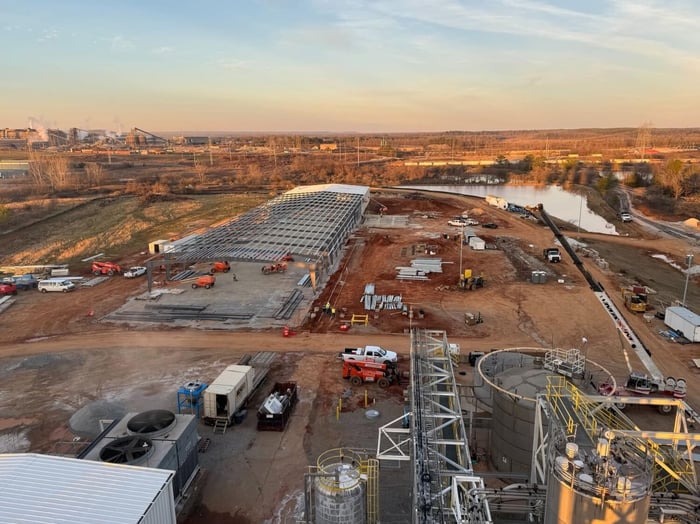
The OCI Expansion as a Case Study
The OCI Peroxygens expansion reflects the complexity of integrating new infrastructure into an operating facility.
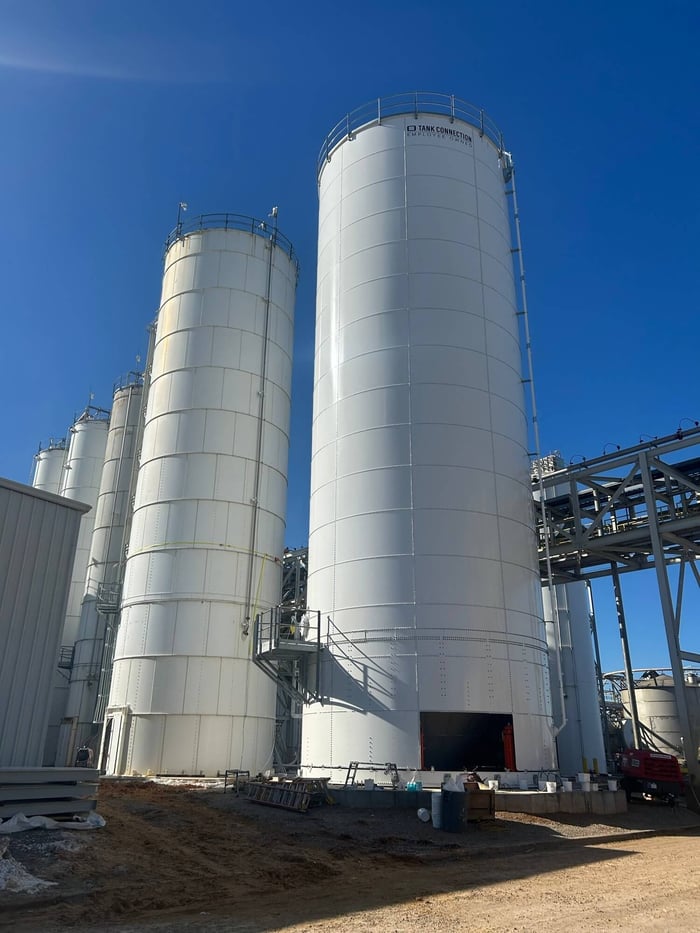
The current expansion includes construction of a new warehouse and packaging facility, installation of a soda ash distribution silo, a new rail unloading facility, expanded rail infrastructure, pipe racks, and additional storage systems.
Construction Manager Danny Hundley says the scope of the project touches multiple parts of the facility’s logistics network.
“This project includes expanding and adding railroad tracks, a rail unloading building along with equipment that runs over to a new silo,” Hundley said. “Then we also have a 50,000 sq ft warehouse building and an additional hydrogen peroxide tank.”
Railcars continue moving through the facility during construction, which means crews must coordinate work around active logistics routes.
“The main coordination happened down in the rail yard where we were adding rail and the unloading building,” Hundley said. “We had to coordinate day to day with the plant as rail cars were moving in and out.”
Managing Movement on the Jobsite
Active industrial sites require careful control of traffic, work zones, and communication to safely manage both construction and plant operations. To maintain safety and efficiency, project teams must establish clear traffic management plans and work zones that separate construction activities from plant operations. Communication becomes critical. Daily coordination meetings ensure that both construction crews and plant staff understand what work is happening and where.
These procedures help prevent conflicts while allowing both sides of the operation to function effectively.
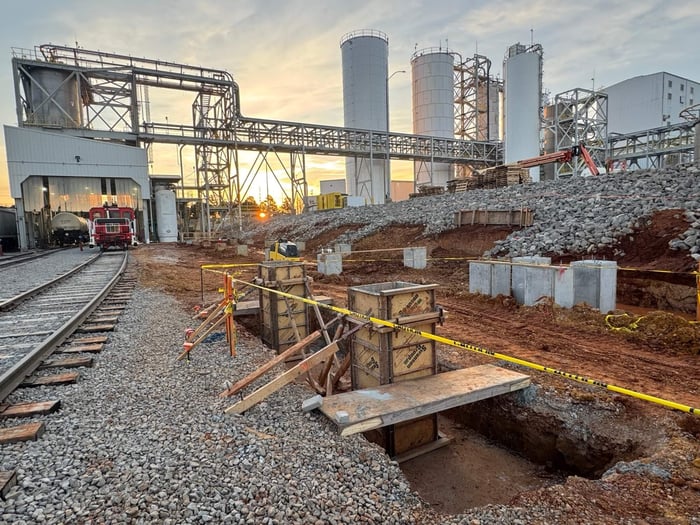
Adapting to External Challenges
The weather is one example of teams having to adapt to external challenges. Northern Alabama experiences frequent heavy rainfall, which can affect site work and schedules.
“When it rains here, it really rains,” Hundley said. “Sometimes it can rain for twenty-four hours straight.”
The team adapted by adjusting schedules and working weekends when needed to maintain progress without disrupting operations. This ability to adapt is essential when working in environments where the client’s operations must remain the top priority.
Delivering Value Without Disruption
Projects like the OCI expansion demonstrate how coordination, planning, and communication allow facilities to grow while maintaining continuous operations.
For construction teams, delivering that value requires a deep understanding of industrial environments and a commitment to collaboration.
The work happening in Decatur reflects that approach. The OCI expansion is not simply about new buildings or infrastructure. It is about integrating new systems into an operating facility while keeping everything around it moving.
When done well, the result is something that can feel almost invisible. Production continues, logistics keep moving, and the facility grows without missing a step.
And that is exactly the goal.
FAQs
Why is sodium percarbonate a focus for this facility expansion?
Sodium percarbonate is widely used in laundry detergents and cleaning products as an oxygen based bleaching compound. As demand for cleaning products grows globally, manufacturers like OCI are expanding production capacity to keep up. The Decatur facility expansion helps increase throughput while improving how raw materials are delivered, stored, and processed throughout the plant.
How do you handle safety when construction crews and plant staff are sharing the same space?
Safety on active industrial jobsites begins with coordination and clear site protocols. Construction teams work closely with plant leadership to establish defined work zones, traffic management plans, and daily coordination meetings so everyone understands where work is happening and how movement will occur across the site. Crews also follow site-specific safety procedures that account for the facility’s operations, equipment, and materials. The goal is to create a predictable environment where construction and plant operations can continue side by side safely.
What is the biggest challenge of the Decatur, Alabama jobsite?
The biggest challenge is building new infrastructure while the facility continues operating. Railcars, plant personnel, equipment vendors, and construction crews all move through the site at the same time. Maintaining operational continuity requires careful planning, constant communication with the plant team, and the flexibility to adjust construction sequencing when necessary. When managed effectively, the facility can expand without interrupting production.
Does building new active rail lines and chemical storage tanks slow down the schedule?
It can, especially when that infrastructure must connect directly into an operating facility. Rail systems and chemical storage components are often critical to how materials move through a plant. At the OCI facility, the OCI management team has worked closely with the Big-D construction teams to carefully sequence work and coordinate with facility staff, so installations occur without disrupting production or logistics. When planned correctly, these upgrades can be completed efficiently while the facility continues to operate. Construction at the OCI facility demonstrates that delays can be avoided when teams work together effectively. Big-D is grateful for an OCI team that has safely and efficiently facilitated its work throughout the project.
similar articles
Somero Laser Screed Training: Big-D Logistics Elevates Precision
Mar 16, 2026On any concrete pour, the final finish tells the whole story. You can have the right drawings and the best materials, but if your laser screed
Emotional Intelligence: The Hidden Skill Strengthening Today’s Jobsites
Mar 16, 2026Jobsites today look nothing like they did twenty years ago. Technology keeps moving, safety keeps improving, and the demand for skilled teams grows by the
Evolution of the Hard Hat: From Steamed Canvas to Modern Helmets
Mar 30, 2026The evolution of the hard hat tells a story about how the construction industry has learned, adapted, and continuously improved the way it protects its
Women in Construction Week 2026: Vai Taimi
Mar 05, 2026When Vai Taimi first walked onto a Martin-Harris Construction jobsite, she wasn’t there to lead, she was there to learn,