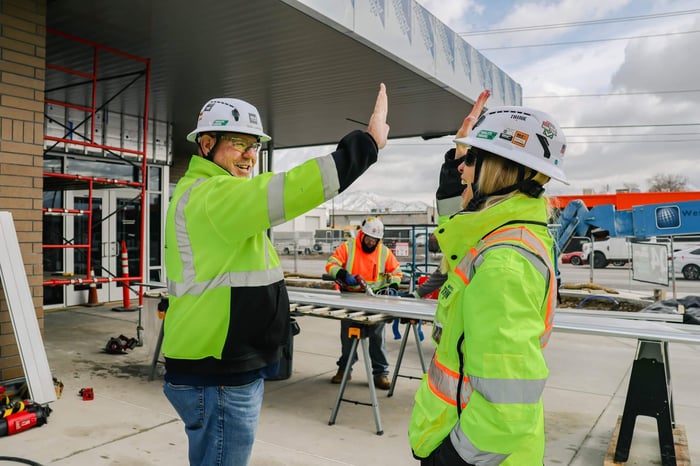
A positive team culture encourages collaboration, accountability, and problem solving. When people feel respected and supported, projects tend to run more smoothly and teams perform at a higher level.
Emotional Intelligence: The Hidden Skill Strengthening Today’s Jobsites
Jobsites today look nothing like they did twenty years ago. Technology keeps moving, safety keeps improving, and the demand for skilled teams grows by the day. Yet one of the biggest shifts in the industry is harder to spot at first glance. It shows up in how people collaborate, how they communicate, and how confident they feel stepping into new challenges. Emotional intelligence has quietly become one of the most important skills on any jobsite.
Emotional intelligence is not a soft add-on. It is how teams build trust, solve problems, manage pressure, and adapt when plans change. Across roles and experience levels, awareness, empathy, communication, and patience strengthen performance. On modern projects where coordination is constant and stakes are high, how people work together can matter just as much as technical ability.
For Big-D Construction Southwest President Carl McFarland, the industry’s evolution has made emotional intelligence even more important. Technical skills may get someone onto a jobsite, but leadership and collaboration determine how well teams perform once they are there.
“Construction has always been about solving problems,” McFarland said. “But today those problems are more complex and the teams solving them are more diverse than ever. Emotional intelligence helps people understand different perspectives and work toward solutions together.”
Across roles, experience levels, and backgrounds, the experiences shared here highlight how emotional intelligence shows up in real work across today’s jobsites.
Emotional Intelligence Starts in the Field
For many people entering construction today, what stands out most is how teams interact. Trust, patience, and clear communication create space for learning and confidence, especially when precision matters and mistakes have real consequences.
Big-D Construction Concrete Apprentice Olivia Hodapp entered construction with an open mind and a desire to learn. What surprised her most was the trust she felt from day one.
“Everyone is really nice. I can go up to anyone and say I have no idea how to do this and we will just figure it out,” Hodapp said. “I do not feel ever like they are belittling me.”
Her work demands precision that affects the entire structure. Hodapp learned quickly that communication and patience are more than nice-to-haves. They are essential.
“Everything has to be precise or within an eighth of an inch,” Hodapp said. “One little thing wrong will set you off for the rest of the building.”
Her confidence grew because her crew created space for questions, repetition, and practice without judgment.
Big-D Construction Concrete Apprentice Paloma Florian shared a similar experience early on.
“My supervisors have always been very interested in me developing my skills and my knowledge. They explain things and help me learn. They are patient with me,” Florian said.
Different backgrounds. Different paths. Same takeaway. When emotional intelligence is present on a jobsite, people feel respected, supported, and able to bring their best. It creates an environment where growth feels attainable and where questions become opportunities instead of setbacks.
McFarland believes that environment is intentional.
“People learn best when they feel safe asking questions,” McFarland said. “If someone is afraid to speak up because they think they’ll be judged, that’s when mistakes happen. The best crews create space for learning.”

Communication Is a Technical Skill
Construction depends on constant coordination between trades, teams, and timelines that change by the hour. Clear communication keeps work moving and prevents small issues from becoming costly problems. Emotional intelligence plays a critical role in how that communication happens.
Teams that take the time to listen, ask questions, and speak up early operate more efficiently and with fewer errors. Different perspectives help uncover better solutions, especially on complex projects where no single person has the full picture.
Big-D Construction Southwest Project Engineer Caroline Ortman sees how varied thinking improves both process and outcomes.
“We all think a little bit differently," she said, adding that when you have multiple perspectives, "you can be more creative, come up with different solutions, and make things more efficient.”
Martin-Harris Construction Senior Project Manager Erica Crotts sees that same dynamic play out on project teams every day.
“When you’ve got that type of environment where everybody can work together and throw ideas out there, it makes a really cohesive team," Crotts said. "When people show respect and listen to each other’s ideas, you end up with better solutions.”
For Big-D Construction Southwest Senior Project Manager Rachel Landry, the shift has been visible over time.
“If we’re open to hearing the experiences and perspectives of different people, especially those bringing fresh eyes to a problem, that’s where the best solutions come from,” Landry said.
McFarland sees communication as one of the most important technical skills a construction professional can develop.
“We tend to think of technical ability as understanding drawings, schedules, or specifications,” he said. “But communication is just as technical. If a team cannot clearly explain a problem or share information across trades, the project slows down.”
Together, these perspectives reinforce a simple truth. Communication is not separate from technical skill. It is part of it. How teams talk, listen, and respond directly affects safety, quality, and performance.
Why Emotional Intelligence Matters on Modern Jobsites
Today’s construction environment demands more than technical ability alone. Emotional intelligence strengthens how teams solve problems, manage pressure, and coordinate complex work.
1. It supports safety by making it easier to speak up.
2. It supports quality through clearer communication.
3. It supports retention because people feel valued and capable.
4. It supports innovation because ideas are heard and tested, not dismissed.
Martin-Harris Construction Project Administrator Rachel Foster experienced this early in her career, learning that growth often depends on how clearly you communicate.
“I had to figure out how to advocate for myself and how to communicate in a way that was clear,” she said.
That shift has become more visible across jobsites. Martin-Harris Construction Project Manager Amanda Schott has seen communication styles evolve over time.
“It used to be a lot harder to struggle with the old school superintendents that are stuck in their ways," Schott said. "I think it has shifted."
Hodapp has seen how emotional intelligence ties directly into confidence.
“Mental toughness leads into confidence, and confidence helps you view yourself differently,” Hodapp said.
McFarland believes this shift reflects the industry’s broader progress.
“The culture of construction is changing in a good way,” he said. “Strong leaders still expect high performance, but they also recognize that respect, listening, and trust make teams stronger.”
These stories highlight something many teams already recognize. Support, patience, and encouragement are not soft skills. They are multipliers that improve performance, retention, and team culture.
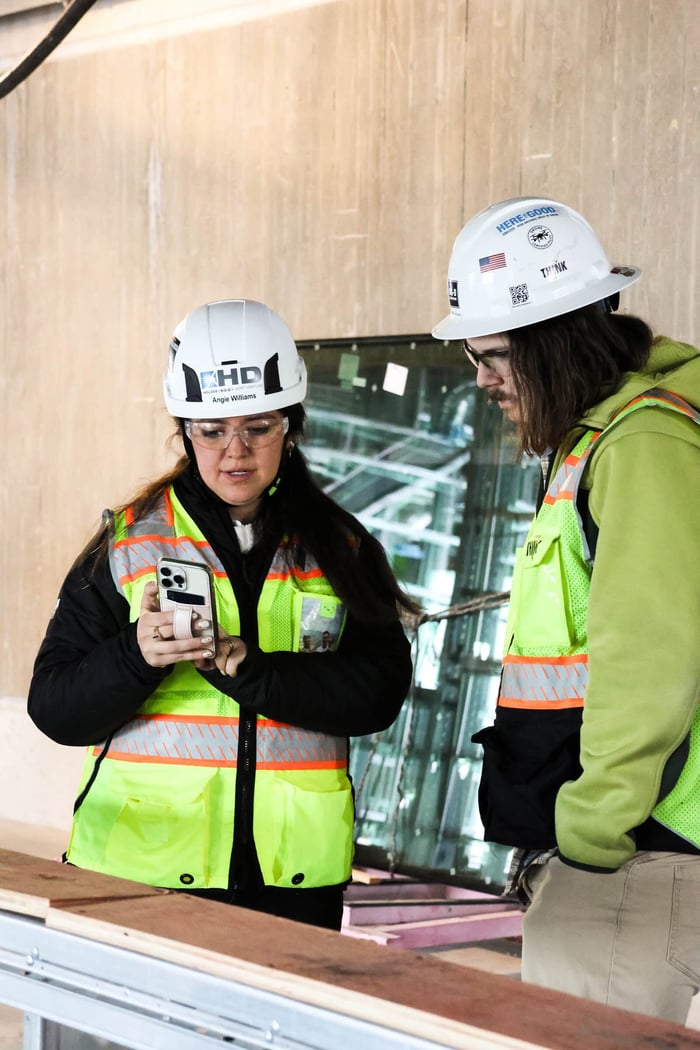
Emotional Intelligence Is Now a Jobsite Essential
Today’s construction environment is too fast, too complex, and too connected for technical ability alone. Emotional intelligence strengthens how teams plan, build, coordinate, and adapt.
- It supports safety because people feel comfortable speaking up.
- It supports quality because communication is clear.
- It supports retention because people feel valued.
- It supports creativity because different perspectives are welcomed.
- It supports innovation because new ideas get a fair shot.
This skill set is shaping the future of construction as much as any tool or technology.
Celebrating the Strength Behind Today’s Teams
Across apprenticeships, engineering roles, project management, and field leadership, the stories shared here reflect how emotional intelligence strengthens teams and improves project outcomes.
You can see it in apprentices who ask thoughtful questions, engineers who coordinate complex systems, project managers who guide teams through challenges, and leaders who mentor others.
Their voices reflect an industry that continues to evolve. One that grows stronger through communication, awareness, patience, and confidence.
These are the skills that help teams work better together and build what comes next.
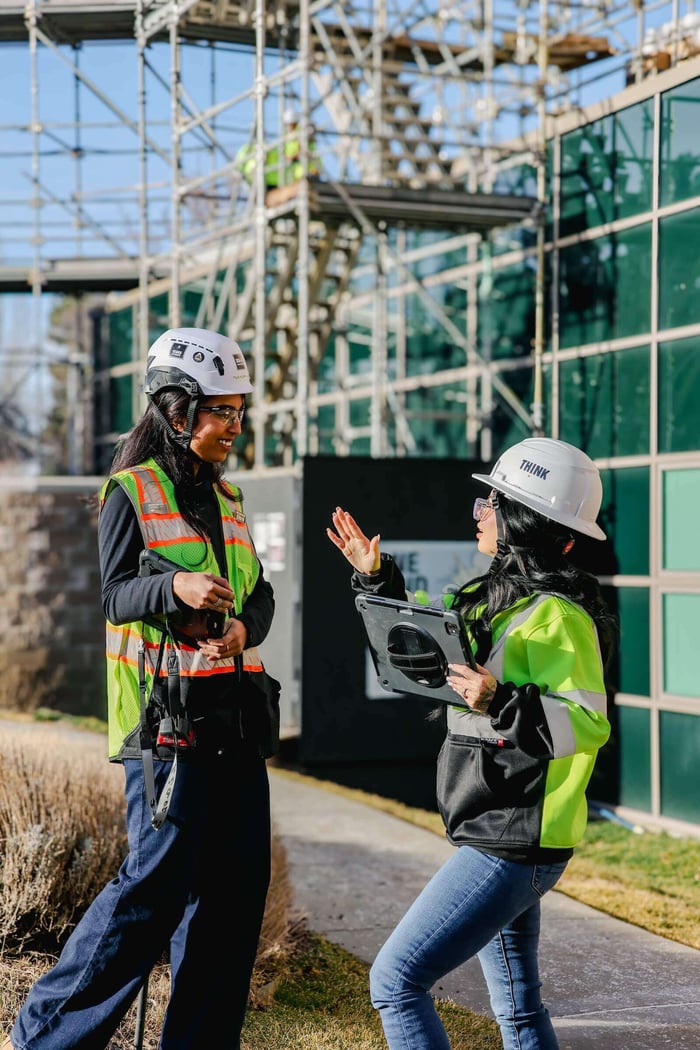
FAQs
What is emotional intelligence in construction?
Emotional intelligence in construction refers to the ability to understand and manage emotions while working with others on complex projects. It helps teams communicate clearly, resolve conflicts, and collaborate more effectively on the jobsite.
Why is communication so important on construction jobsites?
Construction projects involve many teams working simultaneously. Clear communication ensures everyone understands the plan, identifies issues early, and keeps work moving safely and efficiently.
How does emotional intelligence improve jobsite safety?
When teams trust one another and feel comfortable speaking up, safety concerns are more likely to be raised quickly. Emotional intelligence encourages open dialogue, which helps prevent small issues from becoming serious incidents.
Can emotional intelligence be developed in construction professionals?
Yes. Emotional intelligence can be strengthened through leadership training, mentorship, and everyday jobsite experience. Skills like listening, empathy, and clear communication improve with practice.
How does strong team culture impact construction project success?
similar articles
Somero Laser Screed Training: Big-D Logistics Elevates Precision
Mar 16, 2026On any concrete pour, the final finish tells the whole story. You can have the right drawings and the best materials, but if your laser screed
Industrial Construction on Active Jobsites: The OCI Expansion
Mar 20, 2026Industrial construction on active jobsites often takes place inside facilities that are already operating at full capacity, where production, logistics, and
Women in Construction Week 2026: Vai Taimi
Mar 05, 2026When Vai Taimi first walked onto a Martin-Harris Construction jobsite, she wasn’t there to lead, she was there to learn,
Women in Construction Week 2026: Lori Bartho
Mar 04, 2026When Lori Bartho decided to step away from a long career in education, she did not expect construction to become her next chapter. She wanted a healthier